

Real estate in Dubai in 2026: have we entered a new phase of the market?
Since the start of the war with Iran, one question has consistently arisen among investors: should they be worried about real estate in Dubai ? Military tensions have created an atmosphere of uncertainty. The media reports on missiles, drones, and disruptions in the region. Some travelers are hesitant. Some investors are delaying their decisions. Yet, the reality on the ground differs from the image sometimes portrayed. The real estate market is not collapsing. It is changing pace. We are clearly entering a new phase of the real estate cycle. A more cautious, more thoughtful, and more selective phase.

A very real war, but a situation under control.
The war with Iran has had tangible consequences in the region. Attacks have targeted several Gulf countries. The authorities in the United Arab Emirates have activated their defense systems to protect infrastructure and the population. The majority of drones and missiles were intercepted before reaching their targets. Some incidents caused temporary disruptions, particularly to air traffic and certain economic activities.
These events serve as a reminder that the situation is serious. But they also demonstrate the authorities' ability to manage a complex security crisis. Public services are functioning. Shopping centers remain open. Businesses are continuing their operations. Daily life goes on.
In this context, real estate does not disappear. It adapts.
A logical slowdown in a climate of uncertainty
When conflict erupts in a region, economic decisions become more cautious. Investors take more time to analyze risks. Buyers demand more information. Sellers sometimes have to adjust their expectations.
This phenomenon is visible today in Dubai. Transactions continue, but at a slightly slower pace. Negotiations are more frequent. Discussions are more in-depth. Decisions are less impulsive.
This trend is normal. It reflects rational behavior in the face of uncertainty. It does not indicate a loss of confidence in the market. It reflects a phase of observation.
A market that is becoming more selective
During periods of rapid growth, almost all projects find buyers. Decisions are made quickly. Negotiation room is limited. Investors often follow the general trend.
In a wartime context, the market's logic shifts. Selection becomes more demanding. Investors compare projects more closely. They analyze the financial stability of developers. They study location more carefully. They seek properties capable of withstanding an uncertain environment.
This trend favors solid projects and penalizes poorly positioned ones. It strengthens the overall quality of the market.
A large supply of real estate that intensifies competition
Another factor explaining the current new phase is the increase in the number of available housing units. Many projects launched in recent years are gradually coming onto the market. This situation is creating stronger competition among developers.
When supply increases in a context of geopolitical tension, business strategies evolve rapidly. Developers seek to reassure buyers. They offer more attractive terms. They adjust their payment schedules.
Several very concrete trends are already observable:
- longer payment plans
- more flexible financial terms
- one-off commercial advantages
- a broader opening to negotiation
These adjustments do not mean that the market is doing badly. They show that the market is becoming more competitive.
The economy continues to function despite the crisis
One crucial point must be understood: the war did not halt Dubai's economy. Businesses continue to operate. Hotels welcome guests. Restaurants remain open. Infrastructure functions normally.
The financial sector continues its activities. Banks continue to finance projects. International investors remain present. Entrepreneurs continue to create companies.
This economic continuity directly supports the housing market. As long as economic activity exists, the demand for housing persists.
Demographics remain the primary driver of the market
Despite regional tensions, Dubai's population continues to grow. Thousands of new residents arrive each year to work, invest, or start businesses. This population growth creates a constant need for housing.
This structural factor plays a major role in the stability of the real estate market. It limits the risk of a sudden drop in prices. It supports rental demand. It encourages developers to continue their projects.
War may temporarily slow down certain decisions. It does not eliminate population growth in the medium and long term.
What war really changes for investors
War changes investor behavior. It doesn't eliminate opportunities. It changes the timing of decisions.
Today, investors have a different environment than in previous years. Trading conditions are more flexible. Discussions are more open. Sellers are more attentive to buyers' expectations.
This situation can create concrete opportunities for those who know how to analyze the market.
In particular, we observe:
- easier negotiations
- longer payment terms
- more favorable commercial terms
- a wider selection of goods
These opportunities often arise during periods of uncertainty.
Experienced investors remain active
In every crisis, a pattern repeats itself. Less experienced investors wait for the situation to become perfect. Experienced investors continue to act.
They know that real estate markets move in cycles. They understand that periods of uncertainty often create the best buying conditions. They focus on fundamentals rather than emotions.
These investors always analyze the same elements:
- The location
- The quality of the promoter
- The quality of the residence
- Rental potential
- The real market price
The payment plan should never become the primary criterion.
This discipline explains why some investors succeed even during crises.
Real estate cycles are part of Dubai's history
For over twenty years, Dubai's real estate market has weathered several periods of uncertainty. The 2008 global financial crisis caused a significant slowdown. The 2020 pandemic paralyzed tourism for several months. Other regional tensions have created temporary concerns.
Each time, the market adapted. Each time, the city continued its development. Each time, investor confidence returned.
This adaptability is part of Dubai's strategy. The emirate has built its economic model on resilience, diversification, and international openness.
A transition to a more mature market
Dubai's real estate market is now entering a more mature phase. Decisions are becoming more considered. Investors are analyzing projects more thoroughly. Developers must demonstrate the quality of their products.
This development is positive for the market. It reduces excesses. It strengthens discipline. It improves transparency.
A mature market attracts stronger investors. It creates more sustainable growth.
Conclusion: War slows the pace, but it does not stop the market
The war with Iran has introduced real uncertainty into the region. It has changed investor behavior. It has slowed down certain decisions. It has reinforced caution.
But it did not destroy Dubai's real estate market.
On the contrary, it marks the beginning of a new phase. A more selective phase. A more strategic phase. A phase where the quality of projects becomes crucial.
For disciplined investors, this period could become one of the most interesting in the coming years.
Because in real estate, the best decisions are rarely made when everything seems easy.
They are taken when the market becomes demanding.
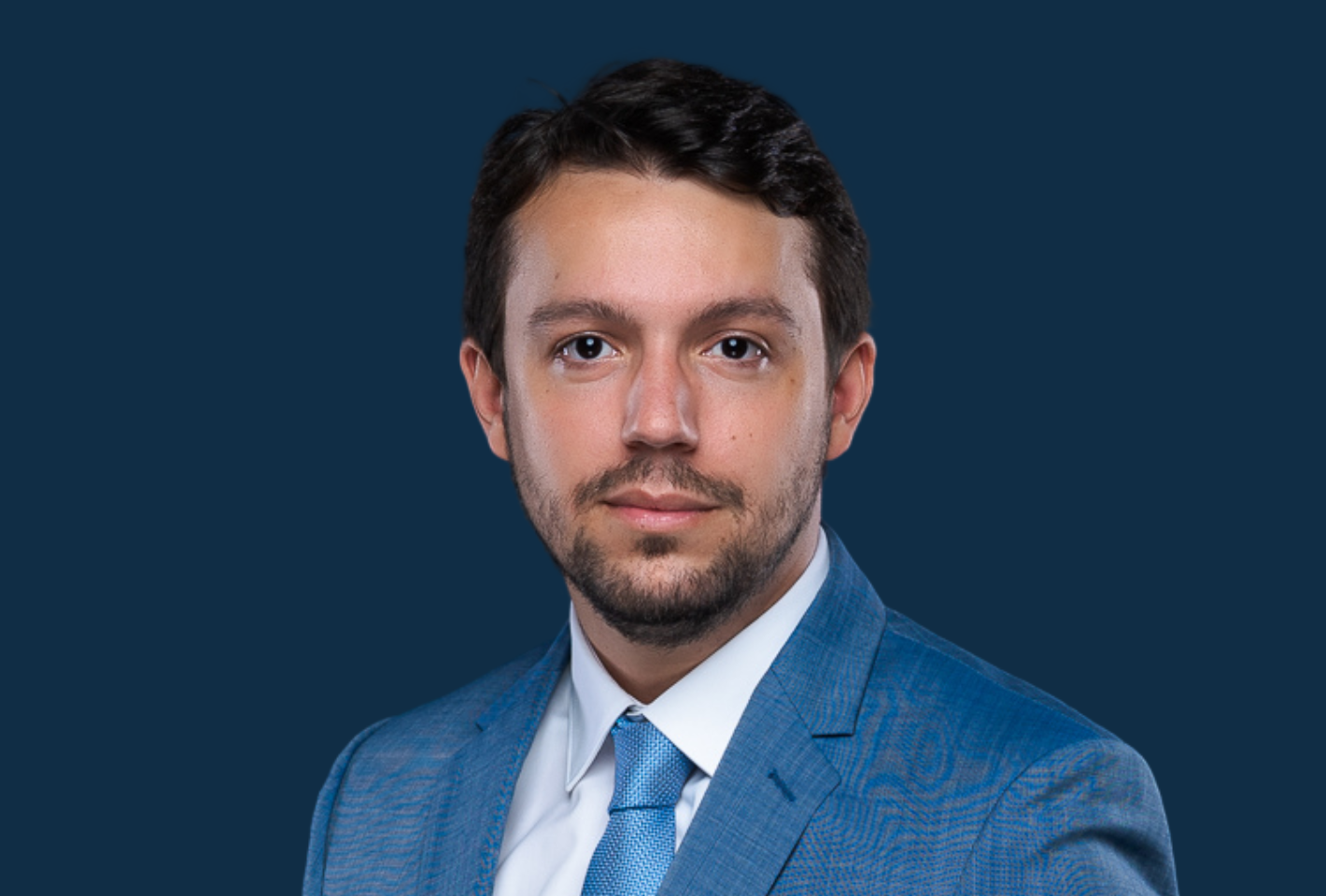
Guillaume Giroux, Dubai Immo founder and real estate expert, Dubai, UAE
As founder of the Dubai Immo Group and a real estate investor, I bring you daily updates on the Dubai market. My aim is to provide you with all the keys you need to invest wisely and securely, by sharing my in-depth analysis and strategic advice.