Why did Dubai continue to attract international investors in 2025?
In 2025, Dubai confirms its status as a major destination for international real estate investment. The city attracts private investors, entrepreneurs, international funds, and wealthy families. This appeal is not based on a passing trend. It is underpinned by solid economic fundamentals, a stable political vision, and a clear long-term strategy. In a world marked by fiscal and geopolitical uncertainty, Dubai offers clarity, security, and returns. These factors explain why international capital continues to flow into the emirate.
A rare political stability in an unstable world
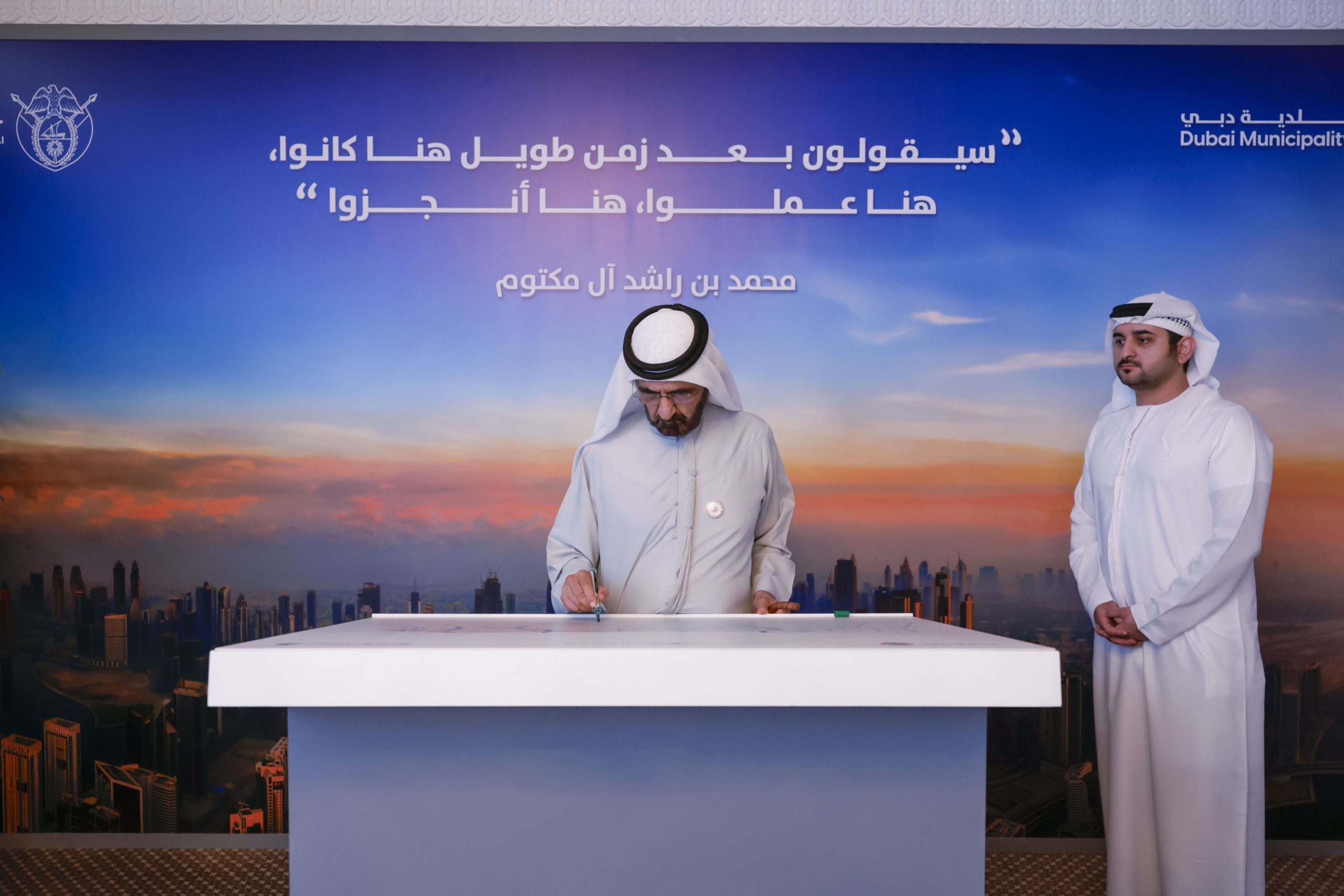
Political stability is a key criterion for any international investor. Dubai benefits from strong, centralized leadership focused on economic development. Strategic decisions are made quickly and implemented without institutional instability. Economic rules do not change abruptly with political cycles. This continuity strengthens the confidence of foreign investors. It allows for long-term wealth and real estate planning. Few major global cities today offer this level of stability.
An extremely competitive tax environment in 2025
Taxation remains one of the main pillars of Dubai's appeal. Rental income received by individuals is not taxed. Capital gains on real estate are not subject to any taxation. There is no wealth tax or annual property tax. Corporate tax, which was introduced recently, remains capped at a very competitive level (9% of profits). This clear tax framework encourages long-term investment. It also provides greater visibility on the real profitability of assets and does not require complex legal arrangements.

Enhanced legal certainty for foreign investors
Dubai's real estate legal framework has been significantly strengthened in recent years. The Dubai Land Department oversees all real estate transactions. Investments in off-plan projects are protected by escrow accounts controlled by the authorities. Developers must meet strict financial requirements before any launch. Freehold property rights are fully recognized for foreigners. Disputes are handled by specialized courts. This legal certainty reassures international investors.
A mature and transparent real estate market
The Dubai real estate market has reached a high level of maturity. The authorities regulate supply and demand more effectively. Past excesses have been corrected by stricter rules. Market data is public and easily accessible. Investors can accurately analyze prices, volumes, and returns. This transparency promotes rational decisions. It attracts an increasing number of institutional investors.

Structural and sustainable population growth
Dubai's population growth is a strong driver of the real estate market. Every year, hundreds of thousands of new residents move to the emirate. The population now exceeds four million. Official projections point to a doubling by 2040. This dynamic fuels constant demand for housing. It supports the rental market in the long term. Few cities offer such demographic visibility.
A global hub for entrepreneurs and talent
Dubai has become a global hub for international entrepreneurs. Starting a business there is quick and easy. Free zones attract a wide variety of people. Entrepreneurs from Europe, Asia, and Africa are moving there in large numbers. These new residents are looking for modern, well-located housing. This demand is supporting prices and rents. It is strengthening the resilience of the real estate market.

A decisive quality of life for sustainable settlement
Quality of life plays a decisive role in Dubai's appeal. The city offers a high level of security on a daily basis. Educational facilities meet international standards. The healthcare system is efficient and largely privatized. Leisure activities, restaurants, and services are highly developed. This environment encourages families to settle down for the long term. It reinforces the stability of real estate demand.
Some of the most advanced infrastructure in the world
Dubai is investing heavily in its strategic infrastructure. Road and rail networks are constantly being expanded. The metro serves a growing number of residential areas. Dubai's airports are among the busiest in the world. The future Al Maktoum Airport will reinforce this position, becoming the largest airport in the world, with a capacity to handle more than 200 million passengers annually. These infrastructure projects directly support real estate development.
A clear and structured urban vision
Dubai's urban development is based on specific plans, driven by the government and Dubai's developers. Each neighborhood has a specific economic and residential purpose. Areas are designed for investment, luxury, or family life. This vision limits urban inconsistencies. It makes it easier for foreign investors to understand the market. The clarity of the development reduces investment risks.
Rental yields remain attractive in 2025
Rental yields in Dubai remain above international standards (5 to 10% depending on the property). Rents have risen sharply in many neighborhoods in recent years. Rental demand remains strong thanks to the arrival of new residents. Vacancy rates remain low in well-located areas. Net yields are boosted by the absence of taxation. This combination remains rare on a global scale.

The growing appeal of institutional investors
Institutional investors are increasingly interested in Dubai. Real estate funds , family offices, and asset managers are positioning themselves there. They are looking for stability, returns, and geographic diversification. Their presence further professionalizes the market. It contributes to price stability. It also strengthens the international credibility of Dubai real estate.
A city aligned with global wealth flows
Dubai is positioned at the heart of international capital flows. It attracts European, Asian, and Middle Eastern fortunes. Americans are increasingly interested in Dubai. The city is capturing a growing share of wealth migration. This trend has strengthened since the pandemic. It has accelerated with fiscal uncertainties in the West, particularly in Europe. Real estate benefits directly from these capital movements.
Conclusion
In 2025, Dubai continues to attract international investors for structural reasons. This trend is expected to continue and perhaps even accelerate in 2026. Attractive taxation, political stability, legal certainty, and population growth form a solid foundation. Quality of life, climate, and infrastructure reinforce the long-term settlement of residents. The real estate market has become mature, transparent, and resilient. In an uncertain world, Dubai offers visibility and performance. It is this combination that explains its enduring success with international investors.

Guillaume Giroux, Dubai Immo founder and real estate expert, Dubai, UAE
As founder of the Dubai Immo Group and a real estate investor, I bring you daily updates on the Dubai market. My aim is to provide you with all the keys you need to invest wisely and securely, by sharing my in-depth analysis and strategic advice.