Are too many apartments being built in Dubai?
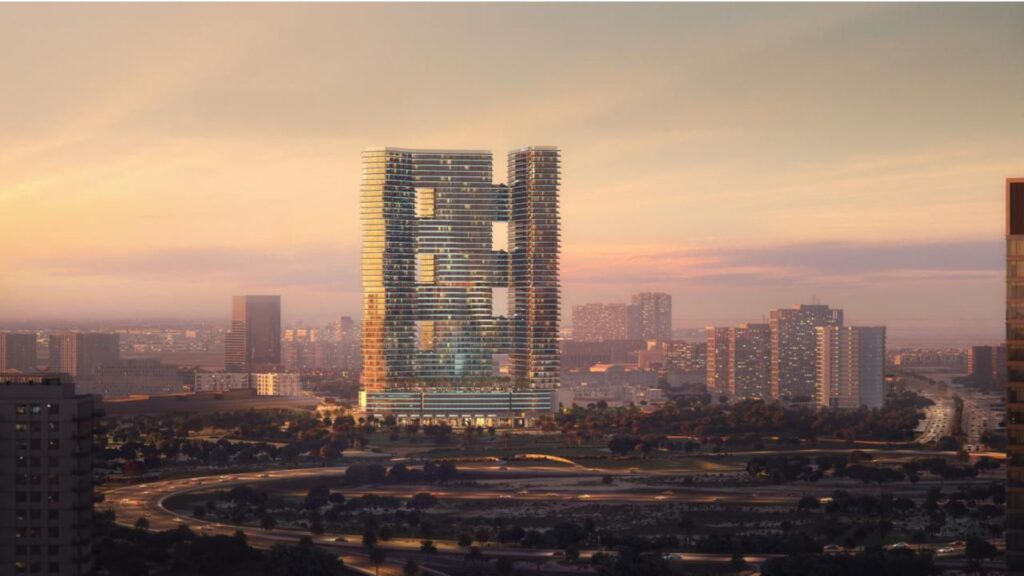
It's a question regularly asked by observers and investors alike: is Dubai building too much, too fast? Off-plan launches follow one another, new districts spring up at a steady pace, and the skyline evolves from year to year. For many, the fear of "overbuilding" looms large. However, a careful analysis of the emirate's strategy shows that this pace is not a sign of excess, but the concrete expression of its long-term ambition.
A metropolis preparing its demographic future
The first explanation lies in demographics. The authorities have set a clear course with the Dubai 2040 Urban Master Plan: the population is to practically double by 2040. The emirate, which had around 3.3 million residents in 2020, is preparing to welcome between 5.8 and 6 million permanent inhabitants over the coming decades. If we include the daytime population - workers, visitors, temporary residents - the projections even exceed 7 million people.
Against this backdrop, the current real estate supply does not represent an overabundance, but rather a necessary anticipation. Accommodating two million additional residents, while developing the tourist, hotel and para-hotel offer, implies producing a massive volume of housing.
A new airport designed for a new scale
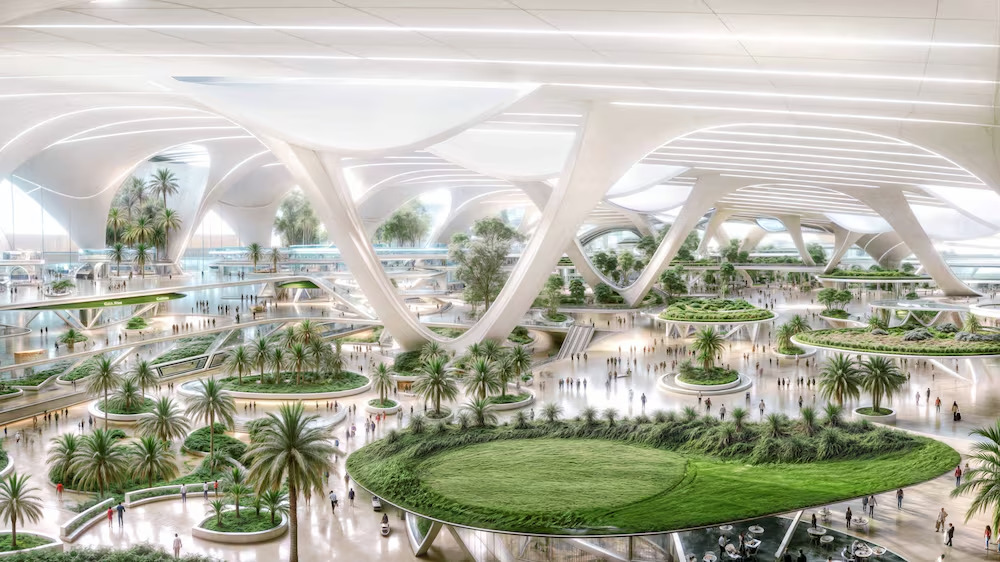
The other major factor is the scale of investment in infrastructure, particularly in the air transport sector. The new Al Maktoum International Airport, currently being expanded, is designed to handle between 150 and 260 million passengers a year, making it the world's largest airport. This capacity is no mere technical detail: it heralds Dubai's ambition to become the world's leading air hub.
At the same time, DXB International Airport sets new visitor records every year. These infrastructures attract not only tourists, but also businesses, international talent and long-term residents. As a result, the pressure on housing is mechanically reinforced.
One of the world's most powerful tourist destinations
Dubai has also consolidated its status as the world's leading tourist destination. The number of international visitors continues to rise, fuelled by an increasingly varied offering: culture, gastronomy, sporting events, theme parks, beaches, desert, shopping, luxury resorts, and soon new tourist attractions still under development.
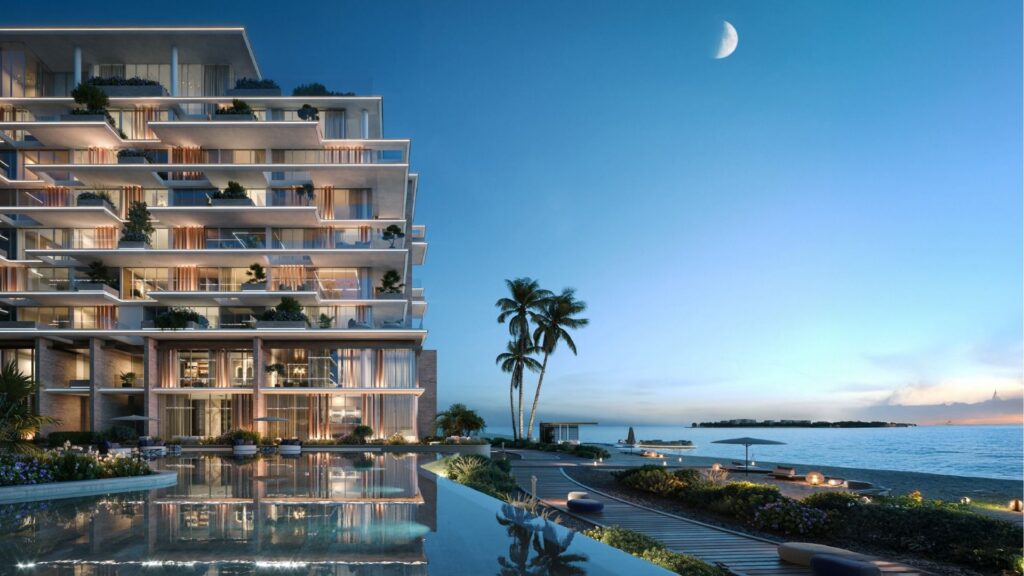
This influx continuously feeds the demand for accommodation, whether hotels, seasonal rental apartments or second homes. The boundary between tourism and residence is becoming increasingly porous: many visitors come back several times a year, then end up buying a pied-à-terre or settling down.
A controlled strategy, far from the myth of overbuilding
The fear of excessive supply is often based on a static vision of the city. But Dubai is anything but static. Its urban development is based on centralized planning that anticipates needs 10, 20 and 30 years ahead. The multiplication of real estate projects is part of a coherent strategy:
densification of already urbanized areas
creation of structuring urban hubs
upmarket properties, with premium and ultra-premium positioning
ongoing modernization of road, school, medical and tourist infrastructures
The diversity of demand must also be taken into account. The population is not just made up of registered residents. There are also temporary workers, foreign entrepreneurs, digital nomads, international investors, cross-border commuters from the Gulf and homeowners who only occupy their property for a few months a year. Added to this is a sociological evolution: Dubai is attracting more and more high-income households and new millionaires looking for a stable, fiscally attractive and modern environment.
A market that absorbs supply
Real estate sales statistics show a rapid absorption of supply, driven by local and international demand. Good projects, particularly well located or signed by leading developers, often sell out in a matter of days, and sometimes hours. Strategic neighborhoods, aligned with future urban plans, are experiencing sustained demand.
However, this does not preclude variations by area and market segment. Some projects that are too far out of town or poorly positioned may have longer resale cycles. Or offer lower returns. But overall, construction volumes remain in line with the emirate's economic and demographic trajectory.
A city that builds to match its ambitions
When you put all the elements together - programmed doubling of the population, record-breaking tourism, colossal infrastructures, structured urban planning strategy - the conclusion becomes clear: Dubai doesn't build too much, it builds to the level of its ambition.
The emirate has no intention of slowing down. It continues to project itself as a global capital of commerce, tourism, innovation and aviation. This large-scale transformation requires an ever-expanding real estate portfolio.
So the real question is not whether Dubai is building too much, but how to position yourself intelligently as an investor. One thing is certain: the city is not thinking too big. It is simply building what it has become - and what it still aspires to become.

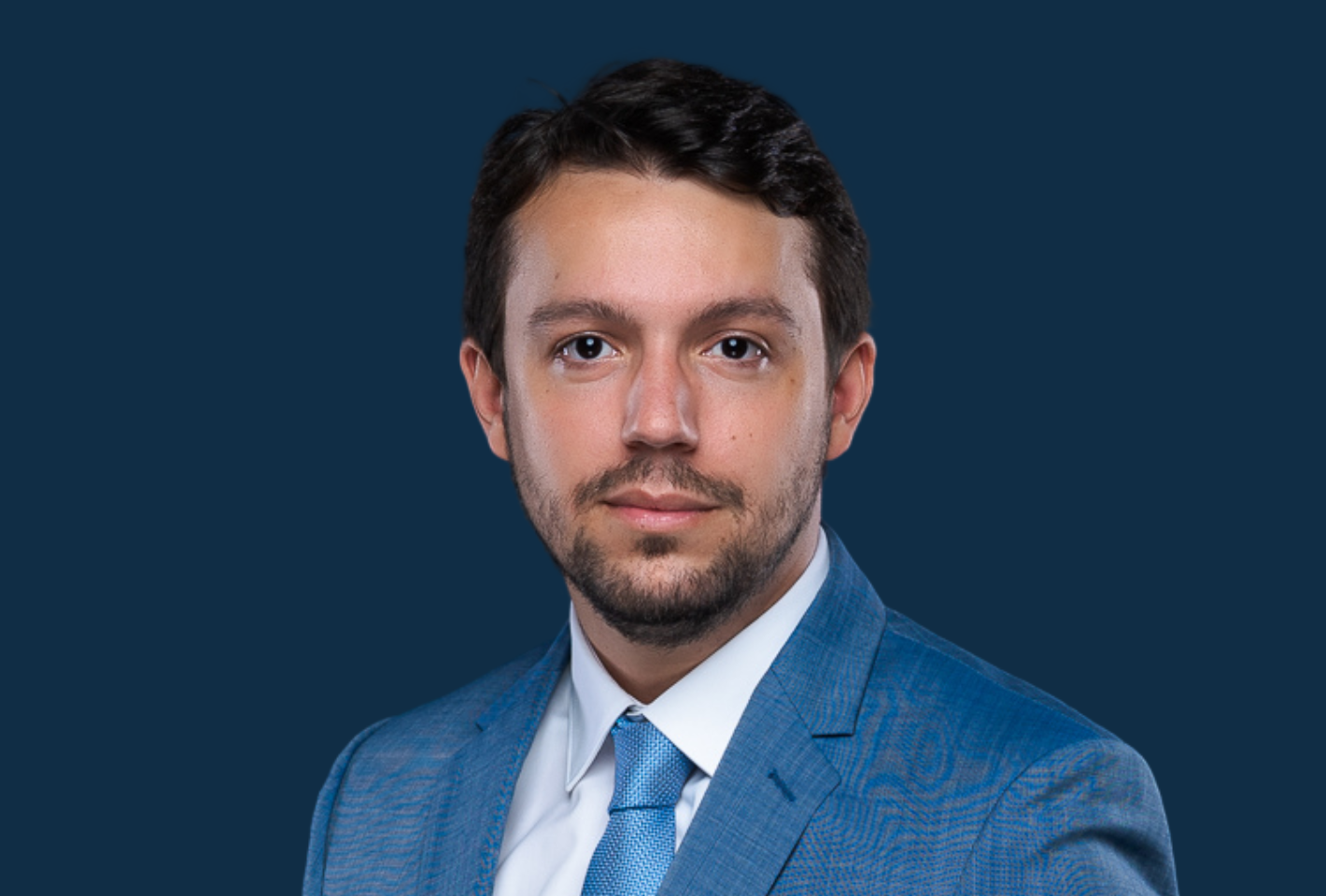
Guillaume Giroux, Dubai Immo founder and real estate expert, Dubai, UAE
As founder of the Dubai Immo Group and a real estate investor, I bring you daily updates on the Dubai market. My aim is to provide you with all the keys you need to invest wisely and securely, by sharing my in-depth analysis and strategic advice.